What is TDS
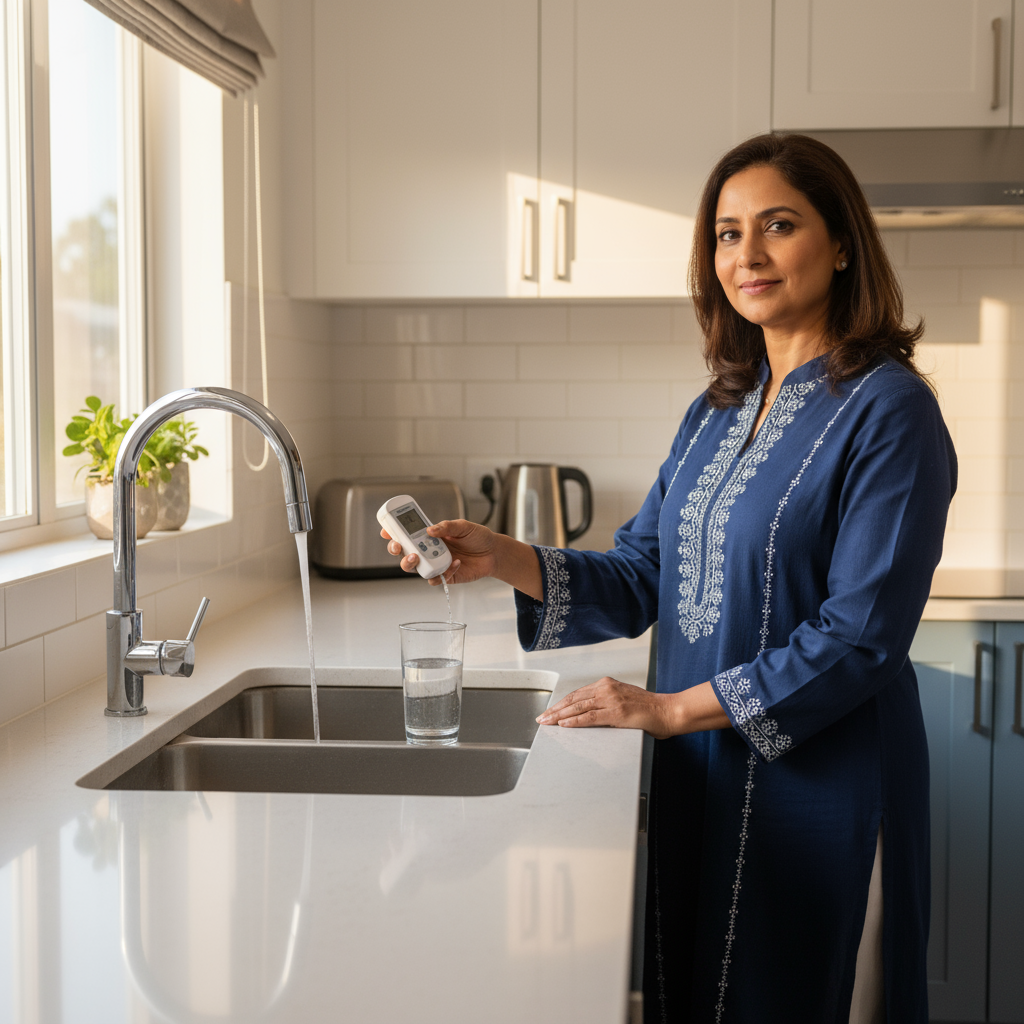
TDS means Total Dissolved Solids. It is the combined amount of inorganic salts and small amounts of organic matter dissolved in water. Common contributors include calcium magnesium sodium potassium bicarbonates chlorides and sulfates. TDS is usually measured in milligrams per liter or parts per million. Consumers often use pocket meters to check TDS as a quick proxy for how mineral rich their water is.
Is TDS really useful
TDS is a quantity measure. It tells you how much is dissolved but not what those substances are. A glass of water with 200 ppm may be rich in beneficial calcium and magnesium. Another glass with the same 200 ppm may contain unwanted salts that affect taste. Health risk or safety depends on the specific contaminants such as pathogens heavy metals nitrate or pesticide residues rather than on TDS alone. This is why regulators and scientists treat TDS mainly as an aesthetic and operational indicator related to taste scaling and corrosion rather than a direct health standard.
What do BIS guidelines say
In India the Bureau of Indian Standards specifies requirements for drinking water in IS 10500. For TDS the desirable level for palatability is up to 500 milligrams per liter. In the absence of a better source higher TDS may be tolerated in some contexts but taste often degrades with rising TDS. These values are framed to balance comfort of taste with the reality of local sources.
What do WHO guidelines say
The World Health Organization does not set a health based limit for TDS. It classifies TDS mainly by how consumers perceive taste and notes that water with lower TDS often tastes flat while very high TDS can taste salty or bitter. In broad terms water up to a few hundred milligrams per liter is usually rated good to excellent for taste while the acceptability declines as TDS approaches and exceeds one thousand. The key message is that TDS is a taste and operability consideration rather than a health determinant by itself.
Why TDS alone is not the full story
- Safety depends on what is dissolved. A low TDS sample with trace arsenic is unsafe while a moderate TDS sample rich in benign minerals is fine
- Taste and mouthfeel vary with mineral balance not only the sum. Calcium to sodium ratio alkalinity and bicarbonate content shape taste and scaling
- Very low TDS can taste flat and may increase corrosivity which can leach metals from plumbing if water is not balanced
- Very high TDS can cause scaling and salty or bitter taste which is mainly an aesthetic issue unless specific toxic constituents are present
- Treatment steps such as reverse osmosis deionization and remineralization can change TDS without necessarily making water safer unless they also address microbes and specific contaminants
These points explain why professional water assessments look beyond TDS to full chemical and microbiological profiles.
Other quality factors that matter more for health
- Microbiological safety. The absence of coliforms and pathogens is non negotiable
- Heavy metals. Lead arsenic mercury and cadmium must meet strict limits
- Nitrate and nitrite. Important for infants and vulnerable groups
- Disinfection by products and residual chlorine. Balance safety with taste
- Hardness alkalinity and pH. These influence corrosion scaling and appliance life
- Pesticides industrial chemicals and emerging contaminants. These require targeted testing
Regulatory frameworks and lab testing panels focus on these parameters first since they drive health risk.
How to think about taste balance and daily use
A practical approach is to pair safety testing with taste tuning
- Confirm safety through periodic laboratory testing that covers microbes metals nitrate and relevant local contaminants
- Tune taste by adjusting mineral balance. If water tastes flat after reverse osmosis consider a food grade remineralization cartridge to restore calcium magnesium and alkalinity for a pleasant mouthfeel
- Protect plumbing and appliances by maintaining moderate hardness and alkalinity which reduces corrosion and scaling
- Keep residual disinfectant under control to avoid odor while preserving safety in piped systems
These steps give you safe water that people actually enjoy drinking which improves daily hydration adherence.
What is the best TDS for drinking water
For everyday taste and comfort a thumb rule that works well in homes and offices is a TDS range of 75 to 150 milligrams per liter. This range tends to deliver a clean yet lively taste with modest scaling. At the same time both BIS and WHO indicate that water under about 500 milligrams per liter is generally acceptable from a palatability perspective and not harmful by itself. The main idea is to avoid extremes. Do not aim for near zero TDS unless you remineralize for taste and stability. Do not accept very high TDS that causes persistent saltiness or scaling unless there is truly no better source and safety is confirmed. Anywhere in the middle is fine when all other health parameters are met.
Frequently asked questions
Does a higher TDS always mean worse water
No. It only means there are more dissolved solids. Whether that is good neutral or bad depends on what they are. Calcium and bicarbonate can improve taste while chloride at high levels can make water taste salty. World Health Organization
Is there a minimum safe TDS
There is no global health based minimum. Many utilities supply water below 100 and users find it acceptable when the water is chemically stable and free of contaminants. If taste seems flat consider remineralization for mouthfeel. World Health Organization
Why does my new purifier show very low TDS
Reverse osmosis and deionization remove minerals along with impurities. That can make water taste bland. A post filter that adds calcium and magnesium can restore a natural taste without compromising safety when managed correctly.
How often should I test my water
At least once a year for private sources and after any change in taste appearance or supply. For municipal water review annual quality reports and test at home if you notice persistent taste or odor changes.
On choosing and operating a purifier
- Start with a lab test to identify real risks in your source water
- Choose treatment that targets those risks. For example ultraviolet or chemical disinfection for microbes activated carbon for taste and odor reverse osmosis for high salinity or specific ions
- Maintain filters on schedule. Spent media can harbor microbes or lose performance
- If you use reverse osmosis consider a remineralization stage to keep TDS and alkalinity in a comfortable range
- Verify final water with periodic spot checks and keep records for service planning
Sources and further reading
These are authoritative references you can rely on for deeper guidance.
- [World Health Organization background document on Total Dissolved Solids] World Health Organization
- [World Health Organization Guidelines for Drinking Water Quality Fourth Edition] WHO Apps
- [Bureau of Indian Standards IS 10500 Drinking Water specification copy] Central Pollution Control Board
- [US Environmental Protection Agency page on Secondary Drinking Water Standards] US EPA
- [US Code of Federal Regulations table for Secondary Maximum Contaminant Levels including TDS] eCFR
- [California overview of secondary standards for consumer acceptance including TDS]