What to Drink After a Workout: Water, Minerals and Electrolytes
Published 2 November 2026
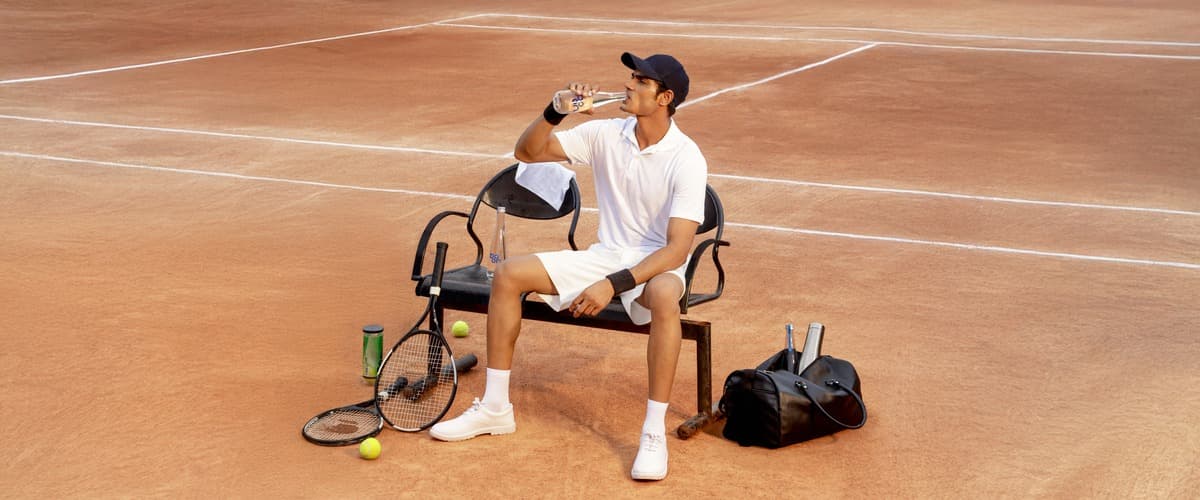
After most workouts, plain clean water is all you need: drink to thirst, and a little more if you have sweated heavily. Electrolytes start to matter after long sessions, heavy sweating or exercise in Indian heat and humidity, and those come mainly from food, a pinch of salt or an oral rehydration solution, not from the minerals in your drinking water.
Plain water is enough for most workouts
A typical gym session, a yoga class, a brisk walk or a game of badminton lasting under an hour does not drain your body of electrolytes in a way that needs special drinks. You lose water through sweat and breath, and replacing that water is the main job.
Practical ways to judge it:
- Drink to thirst. For healthy adults, thirst is a reasonable guide in normal conditions.
- Sip, do not gulp. Small amounts through and after exercise sit better than a large volume all at once.
- Check your urine. Pale yellow usually means you are drinking enough. Dark yellow suggests you need more.
- Eat a normal meal afterwards. Food replaces the small amounts of sodium and potassium you lose in sweat during a short session.
Plain water is also what your body handles most simply: no sugar, no added calories and nothing to digest. Cool water is often easier to drink in quantity after exercise than very cold or warm water, but the temperature is a matter of comfort, not of how well it hydrates. Keep a bottle with you through the session so you are not trying to catch up all at once at the end.
When electrolytes matter
Sweat is mostly water, but it also carries sodium, along with smaller amounts of potassium and other minerals. Over a short session the loss is small. Over a long one, in heat, it adds up. Electrolytes are worth thinking about when:
- You exercise for a long time, such as a long run, a cycling ride, a full cricket match or a trek.
- You sweat heavily, especially outdoors in an Indian summer or in humid coastal cities where sweat does not evaporate easily.
- You see salt on your skin or clothes after exercise, a sign that you lose more sodium in sweat than many people.
- You train twice a day or work physically in the heat as well as exercising.
In these cases, familiar Indian options work well: salted nimbu pani, buttermilk with a pinch of salt, coconut water, or an oral rehydration solution made up exactly as the packet says. A salty meal afterwards helps too.
Too much plain water can also be a problem. During very long events, drinking large volumes of plain water without replacing salt can dilute the sodium in your blood. It is uncommon, but it is the reason endurance athletes are told to drink to thirst and include salt, not to force down as much water as possible.
What minerals in drinking water do and do not do
Drinking water naturally contains dissolved minerals, mostly calcium, magnesium, bicarbonates and some sodium. These shape how water tastes and feels in the mouth: water with some minerals tastes rounder and fresher, while water with almost none can taste flat.
What they do not do is replace what you lose in heavy sweat. The amounts of minerals in ordinary drinking water are small compared with what you get from food. Dal, vegetables, fruit, milk, curd and the salt in your cooking supply far more calcium, magnesium, potassium and sodium than any glass of water. Think of minerals in water as a matter of taste and mouthfeel, with food doing the real nutritional work.
This is also why “mineral” or “alkaline” claims about performance deserve scepticism. There is no reliable evidence that alkaline water improves workouts or recovery. If you are curious about what those cartridges actually do, read our alkaline water purifier buying guide and our comparison of a TDS controller vs a mineraliser.
RO water and workouts, honestly
RO purification removes most dissolved solids, including much of the calcium and magnesium. People sometimes worry that this makes RO water a poor choice for people who exercise. The honest answer:
- RO water is safe to drink and hydrates you just as well. Hydration is about water; the mineral content of the glass does not change that.
- You were never getting your electrolytes from tap water. On a long, sweaty day, you need salt and food whether your water is from RO, a borewell or a bottle.
- The real difference is taste. Some people find very low-TDS water flat and drink less of it. If that is you, water with a gentle mineral profile can make it easier to drink enough.
- On a high-TDS supply, RO is often the only practical way to get water that tastes clean in the first place.
For the full explanation of what RO removes and keeps, see does RO remove minerals from water.
Water Profiles let the same purified water taste different for a morning glass, a post-workout bottle or your evening chai. See how they work.
See Water Profiles →Sports drinks vs water
| Situation | Usually enough | Consider adding |
|---|---|---|
| Gym, yoga or a walk under an hour | Plain water | Nothing; eat a normal meal |
| Long run, ride, match or trek | Water through the session | Salt and some carbohydrate: nimbu pani, ORS, a sports drink or a snack |
| Heavy sweating in heat or humidity | Water, sipped steadily | Salt or ORS as directed on the packet |
| Weight loss goals | Plain water | Avoid sugary drinks that add calories you just burned |
| Children playing sport | Plain water | Ask your paediatrician before using sports drinks regularly |
Sports drinks combine water, sugar and salts. They have a real role in long endurance exercise, where the sugar fuels you and the salt replaces sweat losses. For a short session they add sugar and calories you do not need. Energy drinks are a different category altogether: they rely on caffeine and are not a rehydration drink.
Signs of dehydration and when to see a doctor
Common signs that you need more fluid include:
- Strong thirst, a dry mouth or lips
- Dark yellow urine, or passing very little
- Headache, tiredness or feeling light-headed
- Muscle cramps during or after exercise
Stop exercising, move to shade or a cool room, and sip water or an oral rehydration solution. Seek medical help promptly if you feel confused, faint or very dizzy, stop sweating in the heat, have a racing heartbeat, cannot keep fluids down because of vomiting, or have passed no urine for many hours. In hot weather these can be signs of heat exhaustion or heatstroke, which need urgent care.
Some people should talk to a doctor before changing how much they drink or adding electrolytes at all: anyone with kidney disease, a heart condition, high blood pressure on a salt restriction, or anyone who has been told to limit fluids. General hydration advice does not apply to them, and their doctor’s advice comes first.
Where Boon Homie fits
Boon is a water-technology company founded in 2013 by ex-IIT Kanpur engineers, backed by the Technology Development Board (Govt. of India), NITI Aayog and Roca, with systems running in 4,000+ organisations and 400+ hotels across nine countries. Boon Homie is our wall-mounted RO purifier.
Homie purifies first, with sediment pre-filtration, carbon for chlorine and chemical taste, an RO membrane rated for input up to 2000 TDS and in-line LED UV before the tank, at 20 litres per hour into an 8-litre tank. Its Active profile is intended for after exercise and mornings, alongside Daily for everyday drinking and cooking and Bev for tea and coffee. Mineral Enhancers on separate cartridges (Balance, Uplift and Reboot) change the mineral profile and taste of the water. They are about how your water tastes and feels, not about performance, recovery or any health outcome, and they are not a substitute for food, salt or ORS on a hard day.
Homie is ₹21,900 at the time of writing, with free installation by Boon’s own team and a 2-year warranty. If you simply want clean water and do not care about taste options, any well-maintained purifier suited to your TDS will hydrate you just as well.
Frequently Asked Questions
Is plain water enough after a workout?
For most workouts under an hour, yes. Plain clean water replaces the fluid you lose in sweat, and a normal meal afterwards replaces the small amounts of sodium and potassium lost. Drink to thirst and check that your urine is pale yellow. Electrolytes become more important after long sessions or heavy sweating in hot, humid weather.
When do I need electrolytes after exercise?
Consider electrolytes after long sessions such as runs, rides, treks or full matches, after heavy sweating in Indian summer heat or humidity, or if you see salt marks on your skin or clothes. Salted nimbu pani, buttermilk with a pinch of salt, coconut water or an oral rehydration solution made up as directed are simple options.
Does mineral water help with workout recovery?
The minerals in drinking water are present in small amounts and mainly affect taste and mouthfeel. Food is the main source of calcium, magnesium, potassium and sodium. There is no reliable evidence that mineral or alkaline water improves performance or recovery. Drink water you enjoy enough to drink regularly, and eat a proper meal after training.
Is RO water bad for people who exercise?
No. RO water is safe and hydrates you as well as any other clean water. It is low in minerals, but drinking water was never a major source of electrolytes; food and salt are. Some people find very low-TDS water flat and drink less of it, so a purifier that adds a gentle mineral profile can help with taste.
Should I drink a sports drink or water after the gym?
For a typical gym session under an hour, water is enough, and a sports drink mostly adds sugar and calories. Sports drinks are useful in long endurance exercise, where they supply carbohydrate and replace salt lost in sweat. Energy drinks are not rehydration drinks; they rely on caffeine and are best not used for that purpose.
When should I see a doctor about dehydration?
Seek medical help promptly if you feel confused, faint or very dizzy, stop sweating in the heat, have a racing heartbeat, cannot keep fluids down or have passed no urine for many hours. People with kidney disease, heart conditions or a fluid restriction should ask their doctor before changing fluid or electrolyte intake.
Homie’s Active profile gives you purified water with a mineral profile chosen for after exercise and mornings, one press. It is about taste, so try it and see what you prefer.
See Boon Homie →Next step
Find out what’s actually in your water.
Government TDS and contaminant data for your pincode, free.
Check your pincode