Best Water for Tea and Coffee: Why Your Chai Tastes Different
Published 2 November 2026
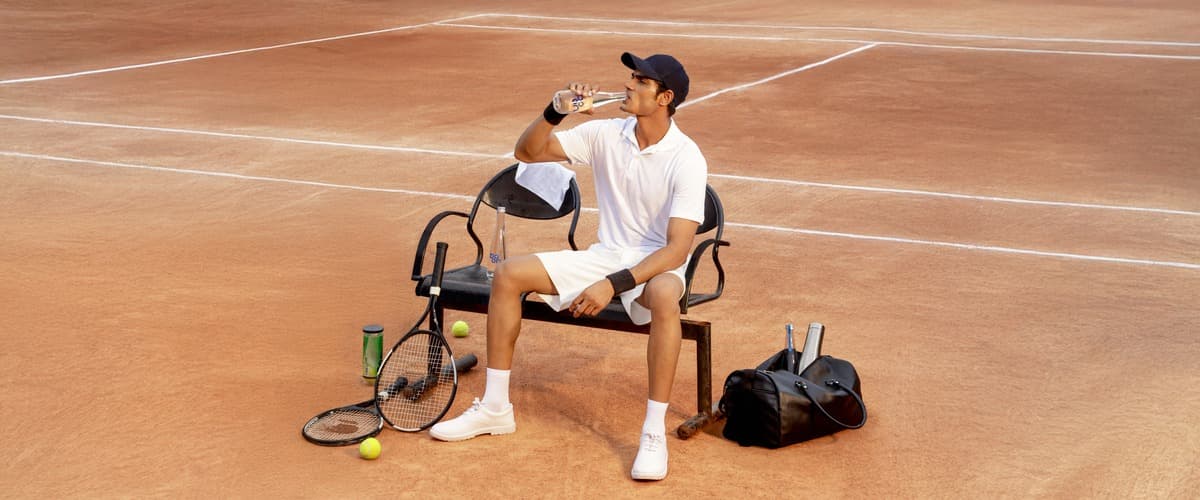
The best water for tea and coffee is clean, free of chlorine and other off-tastes, and moderate in minerals: not hard enough to leave a film on your chai, and not so stripped of minerals that the cup tastes flat. Water is most of what you drink in any cup, so when the same tea leaves or coffee powder taste different in another city, the water is usually the reason.
Why water matters more than you think
A cup of black tea or a tumbler of filter coffee decoction is almost entirely water. Even a milky masala chai is mostly water before the milk goes in. The tea leaves and coffee grounds give up their flavour into that water, and what is already dissolved in it changes how much comes out and how it tastes.
Three things in your water do most of the work:
- Hardness, mainly calcium and magnesium, often present as bicarbonates. These affect how tea compounds behave, how clear the cup looks and how quickly scale builds in a kettle.
- Total dissolved solids (TDS), the overall mineral and salt content. Very high TDS can make water taste salty, brackish or bitter before you add anything to it.
- Chlorine, added by many municipal supplies to keep water safe in the pipes. It has a sharp smell of its own and can flatten the aroma of a delicate tea.
This is why your chai tastes one way at home in Chennai and another way at a relative’s house in Delhi, even with the same packet of tea. Cities draw water from rivers, lakes, borewells or tankers, treat it differently and deliver it through different pipes. The leaves are the same; the water is not.
Hard water: scum, film and dull flavour
If you have ever seen a thin, oily-looking skin on the surface of black tea, or a brown ring on the inside of the cup, you have seen hard water at work. Tea is rich in polyphenols, the compounds that give it colour, body and astringency. In hard water, especially water high in calcium bicarbonate, these compounds react with the minerals and with air to form a film that floats on the surface and sticks to the cup.
Hard water tends to make tea:
- Darker and cloudier, because the alkaline bicarbonates shift the colour of tea compounds.
- Duller in flavour, with less of the bright, brisk edge that good leaves can give.
- Harder to clean up after, with stains on cups and scale in the kettle.
Milk and sugar hide a lot of this in a strong masala chai, which is one reason Indian households often do not notice it until they try a plain black or green tea. The same film can show up in filter coffee as a dull, flat finish. If you see white crust on your taps and in your kettle, our guide to white residue on taps and hard water explains what it is, and hard water vs soft water covers the difference in detail.
Very high TDS and chlorine
Very high TDS. Borewell and tanker water in many parts of India carries a lot of dissolved salts. You can often taste it in plain water: salty, brackish or slightly bitter. Boiling does not remove dissolved salts; as some water evaporates, they become slightly more concentrated. That taste carries straight into tea and coffee, and spices in a masala chai only partly cover it. BIS IS 10500 sets 500 mg/L as the acceptable TDS limit for drinking water, and supplies well above that are common on borewells.
Chlorine. Municipal water is often chlorinated, and that is a good thing for safety in the pipes. But chlorine has its own smell, and it can react with the aromatic compounds in tea and coffee, so the cup smells less of tea and more of a swimming pool. Some free chlorine escapes as water is boiled, but not all disinfectants used in city supplies behave the same way, and the taste can linger. If your water tastes salty, metallic or of chlorine before it ever meets a tea leaf, start with our guide to why water tastes salty, metallic or of chlorine.
Very low TDS: when water is too plain
It is tempting to think the purest water makes the cleanest cup. In practice, water with almost no minerals can disappoint too. Many people describe very low-TDS water as tasting flat or empty, and tea and coffee brewed with it can taste thin, sharp or lacking in body.
Part of this is chemistry. Minerals in water, magnesium and calcium in particular, interact with the flavour compounds in coffee and tea and influence how they are drawn out. Water with almost nothing dissolved in it extracts differently, and the result can be a cup that is technically clean but less rounded. Coffee brewers have long talked about water needing “some” minerals for good extraction, not none and not a lot.
This is why RO water, which removes most dissolved solids, sometimes gets blamed for flat tea. It is safe to drink; it is simply very plain. Our explainer on why RO water tastes flat covers the reasons and the fixes.
Tea and coffee by water type
| Water type | What you may notice in tea | What you may notice in coffee | What helps |
|---|---|---|---|
| Hard water (high calcium and magnesium) | Surface film, brown rings, darker and duller cup | Flat finish, scale in the filter and kettle | Purification that reduces hardness; regular descaling |
| Very high TDS (salty borewell or tanker) | Salty or bitter undertone that spices only partly hide | Harsh, muddy taste | RO purification rated for your input TDS |
| Chlorinated city water | Weaker aroma, chemical smell | Aroma dulled, sharp note | Activated carbon filtration |
| Very low TDS (heavily stripped water) | Thin, sharp or flat cup | Can taste sour or hollow | Water with a moderate mineral profile |
| Clean, moderate-mineral water | Clear cup, true to the leaf | Rounder, more balanced | Keep it fresh and do not reboil repeatedly |
There is no single perfect number. Taste is personal, and a strong ginger chai is far more forgiving than a delicate first flush or a carefully measured pour-over. Treat the table as a guide to what to look for, then trust your own cup.
Your cup starts with your tap. Look up typical TDS for your pincode to see whether hardness or high TDS is likely behind the taste.
Check Your Water →Scale in kettles and coffee filters
When hard water is heated, dissolved calcium bicarbonate turns into calcium carbonate, which does not stay dissolved. It settles as white or cream-coloured scale on the element of an electric kettle, the bottom of a saucepan and the holes of a steel filter coffee maker.
- It changes the taste. Flakes of scale end up in the cup and the kettle itself starts to smell stale.
- It slows things down. Scale insulates a kettle element, so water takes longer to boil, and it can clog the fine holes of a coffee filter so the decoction drips slowly.
- It is easy to remove. A soak in diluted white vinegar or a citric acid solution, followed by a thorough rinse with clean water, loosens most scale. Do it regularly in hard-water cities.
If scale returns within days of cleaning, your water is hard, and descaling only treats the symptom. Reducing the hardness of the water you brew with is the lasting fix.
Practical tips for a better cup
- Start with fresh water. Water that has been boiled again and again loses dissolved air and concentrates its minerals. Fill the kettle fresh for each brew.
- Know your water. Check the TDS at your tap with a meter, or look up typical levels for your area. It tells you whether you are dealing with hardness, high TDS or neither.
- Run a side-by-side test. Brew the same tea with your tap water, your purified water and a bottle of packaged water. The differences are often obvious.
- Deal with chlorine. Activated carbon filtration removes chlorine taste. Leaving a jug of water open for a while can also let some escape.
- Avoid extremes. If your purified water tastes thin in tea, look for a purifier that lets you add back some minerals rather than going back to hard tap water.
- Descale on a schedule. Kettles, saucepans and coffee filters all need it in hard-water homes.
Where Boon Homie fits
Boon is a water-technology company founded in 2013 by ex-IIT Kanpur engineers, backed by the Technology Development Board (Govt. of India), NITI Aayog and Roca, with systems running in 4,000+ organisations and 400+ hotels across nine countries. Boon Homie, our wall-mounted RO purifier, is built around the idea that water for drinking and water for brewing do not have to be the same.
Homie purifies first: sediment pre-filtration, carbon for chlorine and chemical taste, an RO membrane rated for input up to 2000 TDS, and in-line LED UV before the tank. Then three Water Profile buttons let you choose what comes out. Bev is water meant for brewing coffee and tea, one press, no app needed. Daily is balanced water for drinking and cooking, and Active is for after exercise and mornings. Mineral Enhancers, each on its own cartridge separate from the main filter, shape the mineral profile and taste. Homie is ₹21,900 at the time of writing, with free installation by Boon’s own team and a 2-year warranty.
Where it does not fit: a purifier will not make poor leaves taste good, and taste in the cup is personal, so try your favourite tea and decide. If your supply is above 2000 TDS, Homie’s membrane is not rated for it.
Frequently Asked Questions
What is the best water for making tea?
Clean water with no chlorine taste and a moderate mineral content usually gives the clearest, truest cup. Very hard water tends to leave a film and dull the flavour, very high TDS adds a salty or bitter note, and water with almost no minerals can taste thin. Use fresh water each time and try a side-by-side test to find what you prefer.
Why does my tea have a film or scum on top?
That film usually comes from hard water. Tea polyphenols react with calcium and bicarbonate in the water, and with air, to form a thin skin on the surface and brown rings on the cup. It is not harmful, but it makes tea look cloudy and taste duller. Water with lower hardness reduces it, and it is most visible in black tea without milk.
Why does chai taste different in another city?
Because the water is different. Cities draw water from rivers, lakes, borewells or tankers, treat it in different ways and carry it through different pipes. Hardness, TDS and chlorine all change how tea leaves release their flavour and how the cup tastes, so the same packet of tea can taste brighter in one city and duller or saltier in another.
Is RO water good for tea and coffee?
RO water is clean and free of the hardness and salts that cause film and bitterness, which helps on hard or high-TDS supplies. On its own it is very low in minerals, so some people find tea and coffee brewed with it taste thin or flat. A purifier that adds back a moderate mineral profile after RO is one way to get a rounder cup.
Does boiling water improve it for tea?
Boiling kills microbes and lets some free chlorine escape, but it does not remove dissolved salts or most hardness. As water evaporates, TDS actually rises slightly, and heating hard water forms scale in the kettle. Reboiling the same water repeatedly makes this worse, so fill the kettle with fresh water each time you brew.
How do I remove scale from my kettle?
Soak or boil the kettle with a solution of diluted white vinegar or citric acid, leave it for a while, then scrub lightly and rinse thoroughly with clean water before using it again. Steel coffee filters can be soaked the same way. If scale returns within days, your water is hard, and reducing its hardness is the lasting fix.
Homie’s Bev profile gives you water meant for brewing coffee and tea, one press, after full RO purification. Brew your usual cup and taste the difference yourself.
See Boon Homie →Next step
Find out what’s actually in your water.
Government TDS and contaminant data for your pincode, free.
Check your pincode