How Much Water Should You Drink a Day? A Practical Guide for Indian Families
Published 2 November 2026
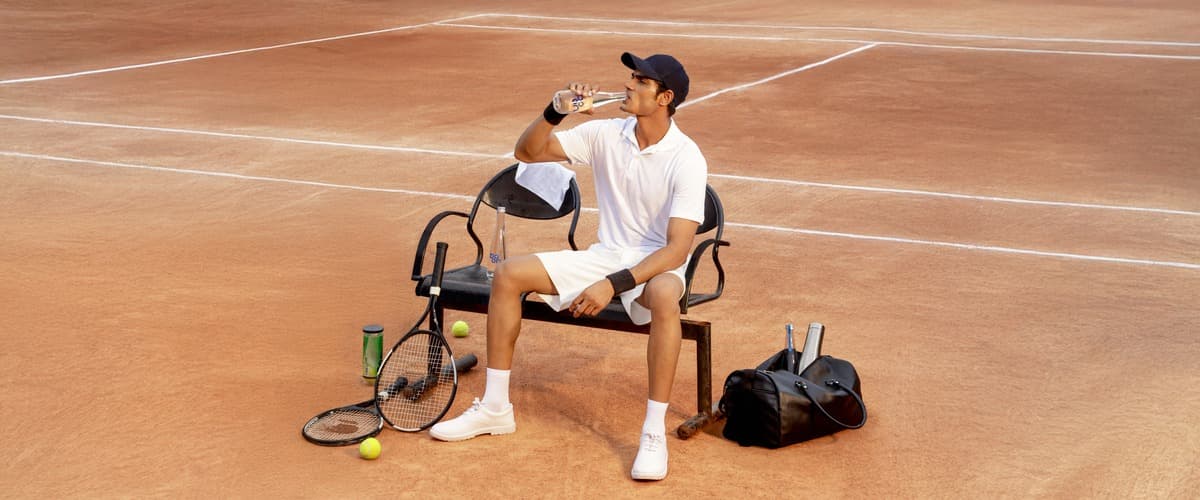
There is no single right amount of water for everyone. What you need depends on the weather, how active you are, your age, your health and whether you are pregnant or breastfeeding. For most healthy people, drinking when thirsty, drinking more in heat and after exercise, and keeping urine a pale straw colour is a practical guide. If you have a kidney or heart condition, follow your doctor’s advice, which may include limiting fluids.
Why There Is No Single Number
You have probably heard “eight glasses a day”. It is an easy rule of thumb, but it is not a medical prescription, and it was never meant to fit a construction worker in Chennai in May and a retired schoolteacher in Shimla in January equally.
Your body loses water all day through breathing, sweat and urine, and gets it back from what you drink and what you eat. How much it loses changes hour to hour. That is why official guidance from health bodies tends to give broad ranges rather than one number, and why doctors set specific targets only for specific people. This article will not give you a litre figure to hit. It will help you read your body and your family’s habits instead.
The short version: drink regularly through the day, more when it is hot or you are active, and watch for the signs below. If a doctor has given you a fluid target or limit, that comes first.
What Changes How Much You Need
- Heat and humidity. Indian summers and long humid monsoons make you sweat far more, often without noticing. Hot kitchens, long commutes and outdoor work all add to it.
- Activity. Exercise, sport, walking long distances or physical work increase what you lose. Drink before, during and after, not just at the end.
- Age. Children have smaller bodies and get absorbed in play. Older people often feel less thirsty even when they need water.
- Pregnancy and breastfeeding. Needs usually rise. Ask your doctor what is right for you.
- Illness. Fever, diarrhoea and vomiting all increase water loss. This is when dehydration can come on fast, especially in children and elders.
- Winter. Many people simply drink less when it is cold because they do not feel thirsty, even though heated rooms, dry air and layers of clothing still cost water. Some find warm water easier to drink in winter.
Practical Signs: Thirst and Urine Colour
For most healthy adults, two everyday signals do a good job:
- Thirst. If you feel thirsty, drink. Do not wait until your mouth is dry. Thirst is less reliable in older people and young children, which is why they need prompting.
- Urine colour. Pale straw or light yellow usually means you are drinking enough. Dark yellow or amber is a sign to drink more. Some vitamins, medicines and foods change urine colour, so read it alongside how you feel.
Other signs that you may be short on water include headache, tiredness, dizziness when standing, dry lips and passing urine less often than usual. More serious signs, especially confusion, fainting, a very fast heartbeat or no urine for many hours, need medical attention.
Drinking more is not always better. Drinking very large amounts of plain water in a short time, for example during long endurance events, can upset the body’s salt balance. For everyday life, steady drinking through the day is the goal, not forcing down large volumes at once.
Water From Food, Tea and Other Drinks
Plain water is the simplest drink, but it is not the only source. In Indian homes a good share of the day’s water comes from:
- Food: dal, sambar, rasam, curries, khichdi, curd and fruits and vegetables like watermelon, cucumber and oranges.
- Drinks: chaas, nimbu pani, coconut water, milk and soups.
- Tea and coffee: these still count towards fluids for most people, though very strong or very frequent cups are better balanced with plain water.
Sugary soft drinks and packaged juices add water but also a lot of sugar, so they are better as occasional drinks than as a way to stay hydrated.
What you drink should also be safe. Water that tastes off, has high TDS or comes from an untested source can put people off drinking it at all. If your purified water tastes flat, our article on why RO water can taste flat explains what is going on and what helps.
Homie Pro’s Track gives each family member their own user ID and daily goal, so everyone can see their own habit.
See Boon Homie Pro →Children, Elders and Everyone in Between
In one home, five people can have five completely different drinking habits. The teenager forgets all day and then drinks two bottles at night. The grandmother avoids water after evening so she does not have to get up at night. The person who works out drinks plenty; the person at a desk barely notices the day pass.
Children often bring school bottles home almost full. Offer water at regular times, after play and with meals, give them a bottle they like, and make plain water the default rather than juice. Our guide to safe drinking water for children covers what makes water safe for them in the first place.
Elders may feel less thirsty, may be on medicines that affect fluid balance, and may cut back to avoid night-time bathroom trips. A glass at fixed times, such as on waking, with each meal and with medicines, works better than waiting for thirst. Warm water in winter can help. For the purifier side, see our guide on water purifiers for elderly family members.
When to Talk to a Doctor
Ask a doctor for personal advice rather than relying on general guidance if:
- You have a kidney or heart condition. Some people with these conditions are told to limit fluids. Follow that advice, even if it differs from anything you read here or elsewhere.
- You are pregnant or breastfeeding.
- You take medicines that affect fluid or salt balance, such as some blood pressure medicines.
- A child or elder has diarrhoea or vomiting, especially if they cannot keep fluids down, are unusually drowsy or are passing very little urine. Ask about oral rehydration solution.
- You are always thirsty, or passing a lot more urine than usual, without an obvious reason. That can be a sign of a condition worth checking.
Building the Habit as a Family
Most people do not drink too little because they disagree with the advice. They drink too little because they forget. Small, visible habits work better than willpower:
- Keep a bottle or glass within reach at the desk, in the car and by the bed.
- Tie drinking to things you already do: waking up, each meal, coming home, taking medicines.
- In winter, offer warm water to people who avoid cold water.
- Make the purifier easy to reach for everyone, including children and elders.
- Track it. Even a marked bottle shows how the day is going.
Tracking is where a shared purifier can help a household. Boon Homie Pro has a Track button. Each family member gets a user ID in the app, presses Track on the unit to switch to themselves, and can set their own daily goal. Goals should come from each person’s own needs and, where relevant, their doctor’s advice; for anyone on a fluid limit, that limit matters more than any goal.
Homie Pro also has a stainless-steel tank and instant hot water, heated as it is dispensed, which suits winter mornings and family members who prefer warm water. It does everything Boon Homie does, including the Active, Daily and Bev Water Profiles. It is ₹25,900 at the time of writing. It has no cold water, so if your family wants chilled water in summer, it is not the right purifier. And you do not need a purifier to build the habit: a bottle and a routine work too.
Frequently Asked Questions
How much water should I drink a day?
There is no single right amount for everyone. Needs depend on the weather, your activity, age, health and whether you are pregnant or breastfeeding. For most healthy people, drinking when thirsty, drinking more in heat and after exercise, and keeping urine a pale straw colour is a practical guide. If you have a kidney or heart condition, follow your doctor’s advice.
Is eight glasses of water a day a rule?
No. Eight glasses is a popular rule of thumb, not a medical prescription. Some people need more, for example in hot weather or with physical work, and some need less. People with certain kidney or heart conditions may be told to limit fluids. Thirst, urine colour and your doctor’s advice are better guides than a fixed number of glasses.
How do I know if I am drinking enough water?
For most healthy adults, pale straw or light yellow urine and not feeling thirsty are good signs. Dark yellow urine, headache, tiredness, dry lips, dizziness on standing and passing urine less often suggest you need more. Confusion, fainting or no urine for many hours need medical attention. Some vitamins and medicines change urine colour, so read it alongside how you feel.
Do tea and coffee count towards daily water intake?
For most people, yes. Tea and coffee are mostly water and contribute to your fluids, as do milk, chaas, soups, dal and water-rich fruits and vegetables. Very strong or very frequent cups are best balanced with plain water. Sugary soft drinks and packaged juices add water but also a lot of sugar, so they are better kept occasional.
Why do elderly people drink less water?
Older people often feel less thirsty even when their body needs water, some take medicines that affect fluid balance, and many cut back to avoid getting up at night. Offering water at fixed times, such as on waking, with meals and with medicines, works better than waiting for thirst. If an elder has a heart or kidney condition, follow their doctor’s fluid advice.
Can drinking too much water be harmful?
Yes, though it is uncommon in everyday life. Drinking very large amounts of plain water in a short time, for example during long endurance events, can upset the body’s salt balance. People with some kidney or heart conditions may also be told to limit fluids. Steady drinking through the day is the goal, and a doctor should guide anyone with a medical condition.
Boon Homie Pro’s Track lets each family member switch to their own profile and set a daily goal, from a stainless-steel tank with instant hot water.
See Boon Homie Pro →Next step
Find out what’s actually in your water.
Government TDS and contaminant data for your pincode, free.
Check your pincode